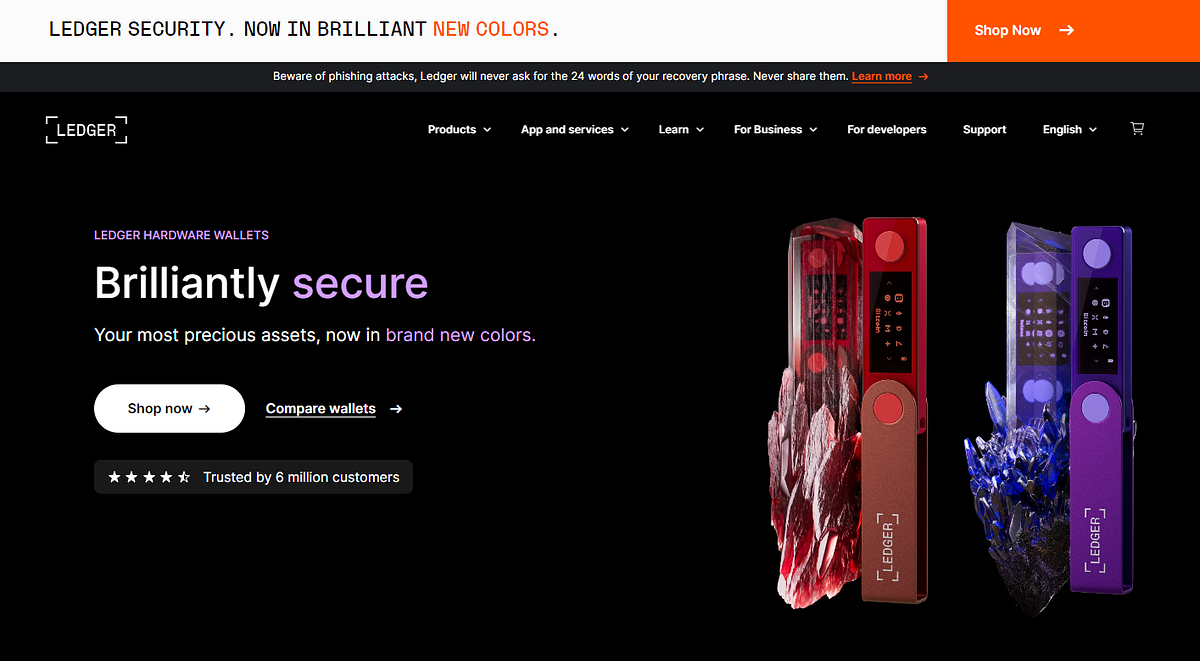
Ledger.com/Start is the official starting point for individuals seeking to safely manage cryptocurrencies using Ledger hardware wallets. Ledger hardware wallets offer non-custodial security, meaning private keys are stored securely offline on the device and never leave it. This ensures that your digital assets remain safe from online threats, hacks, and unauthorized access. In this guide, we will cover setup, Ledger Live, security features, transaction management, DeFi integration, and best practices to help you confidently navigate the crypto landscape.
Unboxing and Device Verification
Upon receiving your Ledger device, it is essential to verify authenticity. Ledger devices come with tamper-evident packaging and a quick start guide. Before using the device, inspect the packaging for signs of tampering. Using only devices obtained from official sources or authorized resellers ensures maximum safety. Ledger devices are designed to be resilient and secure, providing peace of mind for both new and experienced users.
Setting Up Your Ledger Wallet
Connecting your Ledger device initiates a guided setup process. Users will select a PIN code, which acts as the first layer of protection for the device. Next, the device generates a recovery phrase, a crucial set of words that can restore access to your funds if the device is lost or damaged. It is vital to store this recovery phrase offline and securely, never taking photos or saving it digitally. Writing it down and keeping it in a safe location is strongly recommended.
Ledger Live Application
Ledger Live is the official companion application, available on desktop and mobile platforms. It provides a unified interface for managing multiple cryptocurrencies, monitoring portfolio balances, sending and receiving assets, and updating device firmware. Ledger Live supports thousands of assets across various blockchains and integrates seamlessly with third-party applications for DeFi, staking, and NFT management. With Ledger Live, users can manage all their crypto from a single, secure application.
Security Features of Ledger
Ledger hardware wallets provide multiple layers of protection:
- Non-custodial key storage: Private keys never leave the device.
- PIN protection: Prevents unauthorized access.
- Recovery phrase: Enables secure wallet restoration.
- Firmware verification: Ensures the device is running official, untampered code.
- Optional passphrase: Adds another layer of security and privacy.
Managing Your Assets
Ledger Live provides an intuitive interface to send and receive cryptocurrency. Users select the asset, enter the recipient address, adjust network fees, and confirm transactions on the device. All operations require physical confirmation, ensuring that malware or phishing attempts cannot manipulate transactions. Historical transaction logs and portfolio overviews help users track asset movement and performance efficiently.
Firmware Updates
Regularly updating firmware is crucial for maintaining security and functionality. Ledger frequently releases firmware updates that enhance the device, add support for new assets, and patch vulnerabilities. Updates are applied through Ledger Live and require physical confirmation on the device, ensuring authenticity. Keeping firmware current is a critical step in safeguarding your digital assets.
Backup and Recovery
The recovery phrase is the ultimate safeguard for your wallet. Storing it securely offline ensures that your funds can be restored on any Ledger device if your current device is lost or damaged. Never share your recovery phrase online or with third parties. Following recommended backup procedures protects you from theft, loss, and unauthorized access.
Integrating Ledger with DeFi and dApps
Ledger devices can securely connect with decentralized applications (dApps) and DeFi platforms. When interacting with dApps, the device ensures transaction data is displayed for verification before signing. Users maintain control over private keys at all times while participating in complex DeFi protocols, NFT marketplaces, and token swaps. This combination of usability and security makes Ledger devices suitable for both beginners and advanced users exploring the decentralized ecosystem.
Advanced Features
Advanced users can manage multiple accounts, integrate with third-party apps, stake assets, and track NFTs directly from Ledger Live. Multi-layer security options, including passphrase-protected accounts, allow for additional privacy and the creation of hidden wallets. Developers can also leverage Ledger's APIs to integrate devices with Web3 applications, enabling secure transaction signing and asset management in professional setups.
Best Practices for Safe Use
- Always download Ledger Live and firmware updates from the official Ledger website.
- Verify device authenticity and packaging before setup.
- Store your recovery phrase securely offline, never digitally.
- Use strong, unique PIN codes and optional passphrases.
- Confirm every transaction physically on the device.
- Regularly update firmware and Ledger Live to the latest versions.
Troubleshooting and Support
If you encounter connectivity or device recognition issues, consult the official Ledger support documentation. Common issues include USB connection problems or failed firmware updates. Ensuring your device and Ledger Live are up-to-date usually resolves these problems. Ledger also offers a robust support community for additional guidance.
Conclusion
Ledger.com/Start is your official gateway to securely managing cryptocurrencies with Ledger hardware wallets. Combining offline private key storage, Ledger Live, and robust security practices ensures users can safely manage, trade, and interact with crypto assets. Following the recommended setup, backup, and verification procedures guarantees a secure and user-friendly crypto experience, whether you are a beginner or an advanced investor.